If you are looking for a Chicago investment property that can balance tenant demand, neighborhood appeal, and long-term usefulness, Lake View deserves a serious look. You are probably weighing a familiar question: should you buy a condo for easier ownership, or a 2–4 unit building for more control and income potential? This guide will help you compare both paths in Lake View, understand the numbers that matter, and focus your search on practical deal quality. Let’s dive in.
Why Lake View Stands Out
Lake View has several traits that make it attractive to small investors. The neighborhood combines strong transit access, lakefront recreation, major entertainment activity around Wrigley Field, and a deep supply of older housing stock that supports both condo rentals and small multifamily ownership.
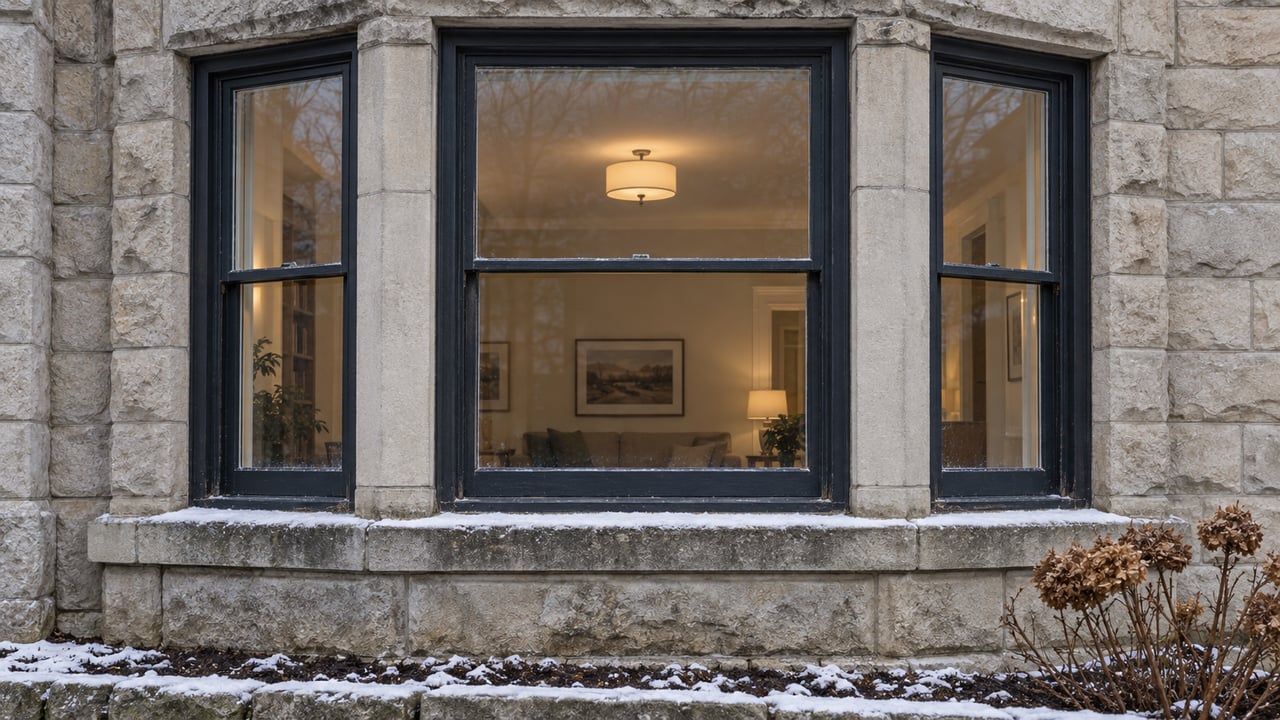
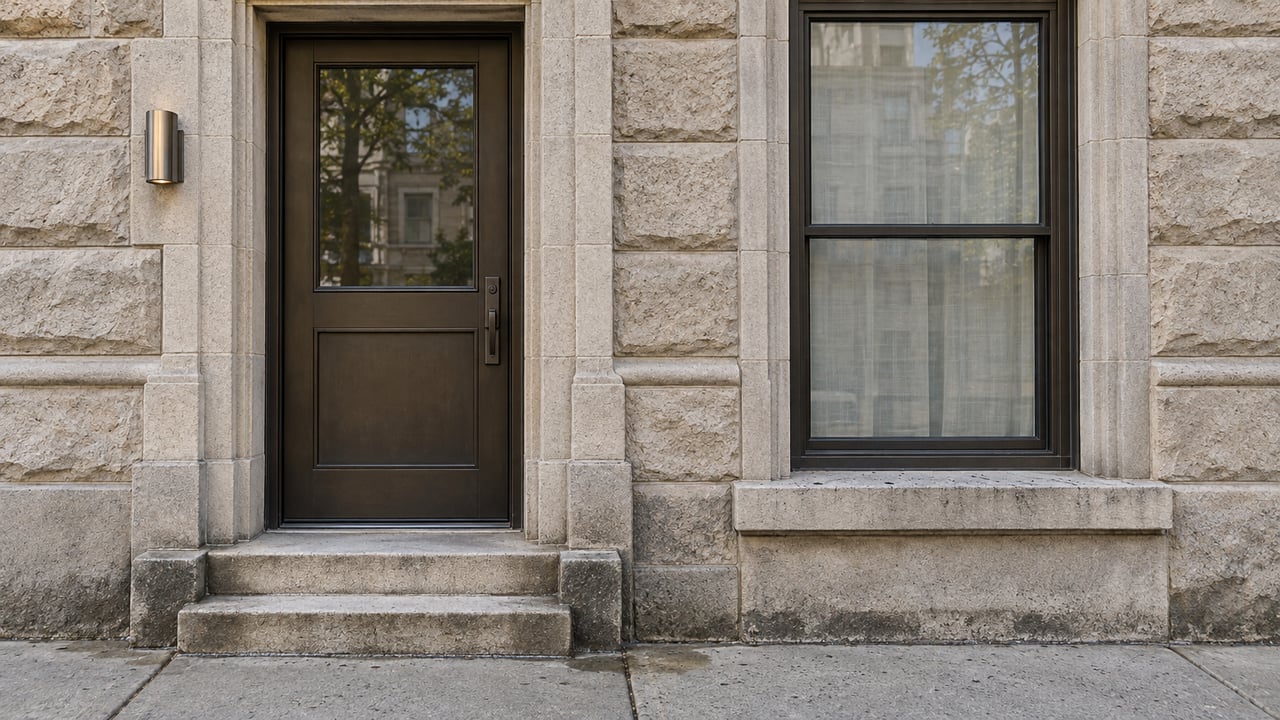
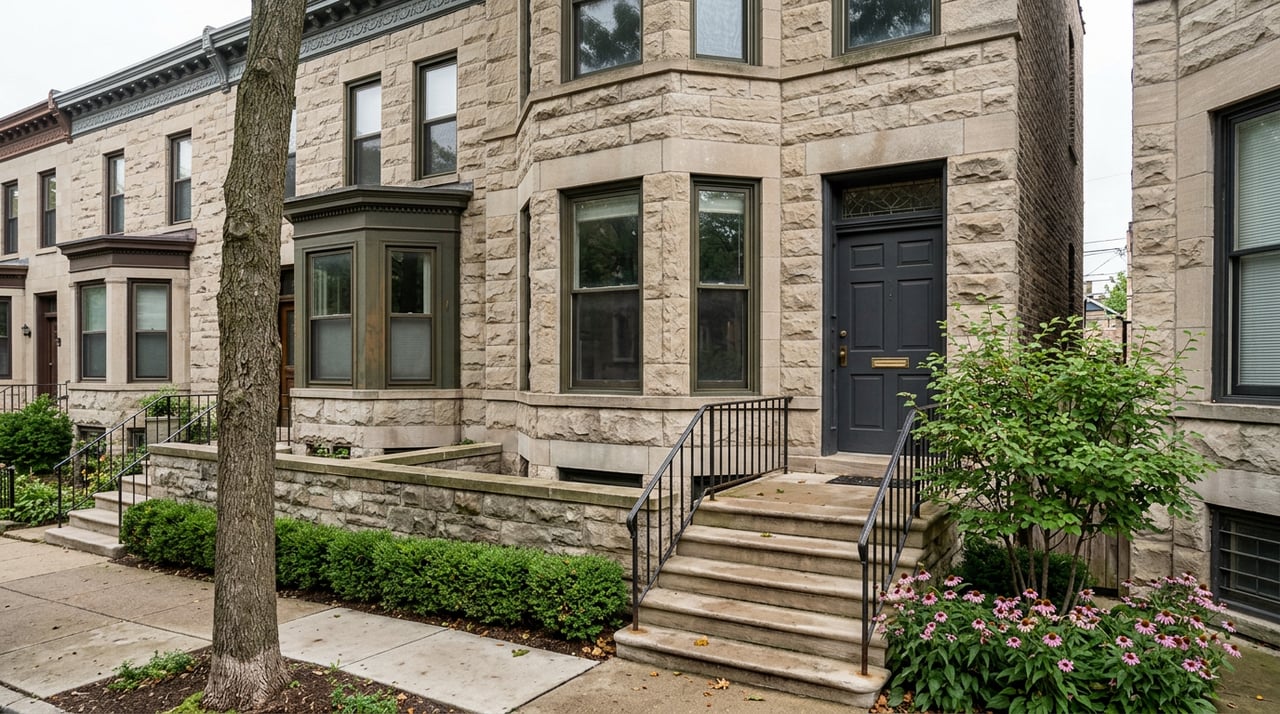
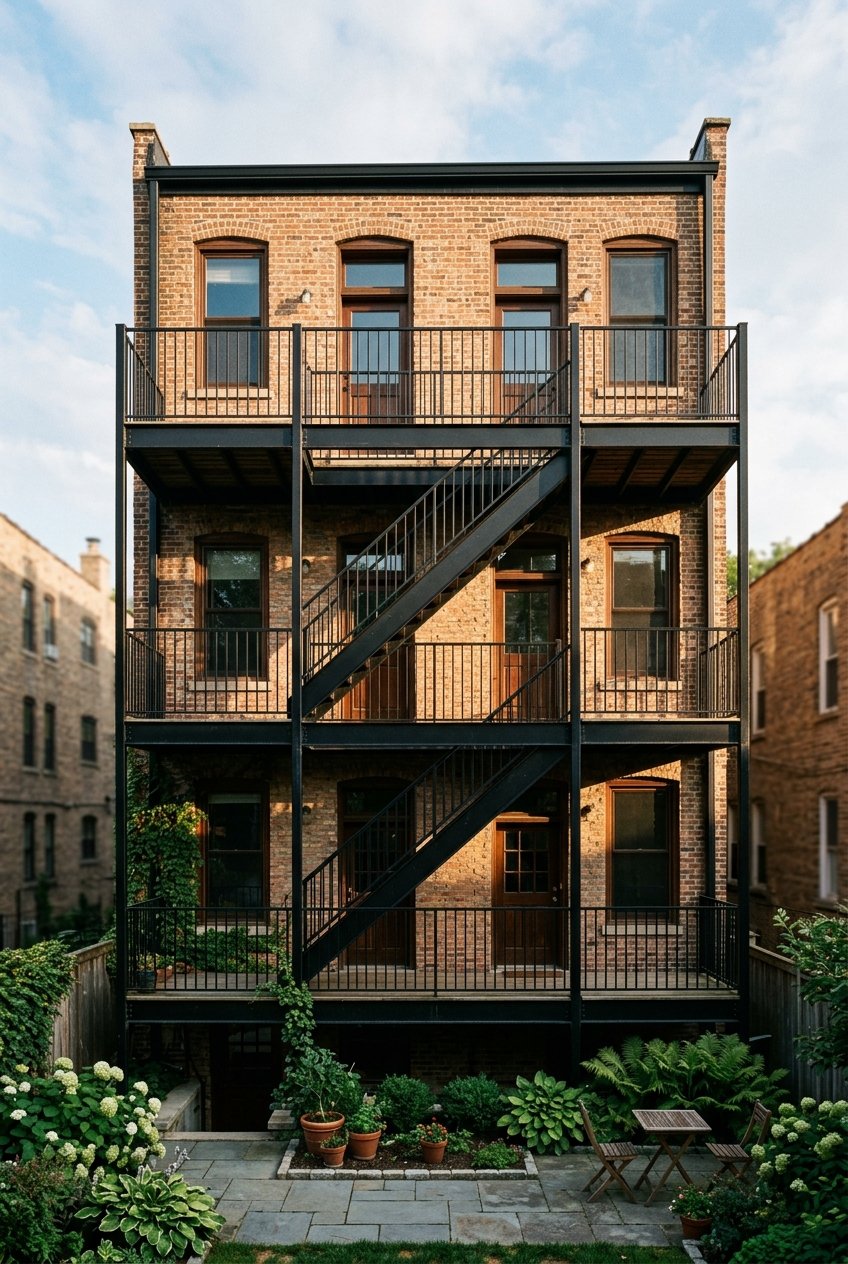
That housing mix matters. Chicago landmark districts in Lake View specifically highlight brick-and-stone three-flats, courtyard buildings, small apartment buildings, and other late-19th- and early-20th-century residential properties. For you as an investor, that creates a wider range of options than you might find in a neighborhood dominated by just one property type.
Transit and Lifestyle Drive Demand
In Lake View, convenience is a major part of the rental story. CTA’s Belmont station serves the Red, Brown, and Purple lines, and nearby stations include Wellington, Diversey, Addison, and Sheridan. The Red-Purple Bypass also removed a long-standing bottleneck north of Belmont, which supports smoother travel in this part of the city.
That transit network can make units easier to market to renters who want reliable access across Chicago. Wrigley Field is another demand anchor, and the Cubs’ official guide specifically points visitors toward public transit, including the Addison Red Line station and nearby bus routes. The Lakefront Trail adds another layer of appeal for people who value outdoor access, commuting options, and a walkable neighborhood feel.
What Current Market Data Suggests
Lake View remains a relatively active, high-value market, but you should treat headline numbers as directional rather than final underwriting data. Recent portal data shows a typical home value around $448,308 on Zillow, a median sale price of $481,833 on Zillow, a median sale price of $542,000 on Redfin over the last three months, and a median list price of $424,900 on Realtor.com.
Rental snapshots also point to meaningful tenant demand. Realtor.com reports median rent around $2,200 to $2,300, with roughly 1,800 rentals available. Since these figures come from different methods and timeframes, the safest move is to use live comps and realistic expenses before deciding whether a specific deal works.
Condos: Easier Ownership, More Rule Review
A condo can be a smart entry point if you want a more hands-off property. In many cases, you will have less direct building maintenance to manage than you would with a 2–4 unit property. That can make condos appealing if you value lower day-to-day operational demands.
The tradeoff is that the association can shape your investment more than many buyers expect. Under Illinois law, condominium declarations may include provisions that limit ownership, rental, or occupancy of a unit. That means you should never assume a Lake View condo is rental-friendly just because it is in a high-demand location.
Condo Due Diligence Matters
Before you underwrite a condo as an investment, review the declaration, bylaws, and current rental rules. You want to know whether rentals are allowed now and whether there are caps, waiting periods, board approvals, or other restrictions that could affect your plan.
You should also pay close attention to the building’s financial health. Monthly HOA dues can significantly affect your net income, and reserve strength can shape whether the building may face future special assessments. Even a well-located condo can become a weak investment if the dues and building expenses leave too little room after taxes, insurance, maintenance, and vacancy.
Key Questions for Lake View Condo Buyers
- Are rentals currently allowed in the building?
- Is there a rental cap, waiting list, or approval process?
- How high are monthly assessments, and do they still leave room for positive cash flow?
- Do reserves appear strong enough to support major building work?
- Could a special assessment change your numbers in the near future?
2–4 Unit Homes: More Control, More Responsibility
If you want more direct control over the asset, a 2–4 unit property may be the better fit. Lake View’s housing stock naturally supports this strategy, especially with its supply of three-flats, small apartment buildings, and courtyard-style properties.
The appeal is straightforward. Instead of relying on one unit and one set of association rules, you may have multiple income streams in one building and more freedom over operations. For many small investors, that flexibility is a major reason to focus on 2–4 units.
The tradeoff is management. You are taking on more responsibility for the property’s condition, leasing experience, repairs, and ongoing operations. In older Lake View buildings, charm can be a strength, but age can also mean higher capital needs for systems, cosmetic updates, and general upkeep.
Chicago Rules You Should Understand
For rental property in Chicago, the Residential Landlord and Tenant Ordinance is an important part of the picture. The ordinance applies to every rental agreement for a dwelling unit in the city, subject to stated exclusions. Owner-occupied buildings with six units or fewer are excluded from most of the chapter, but certain sections still still apply to rented units in those buildings, and landlords must maintain the premises and make needed repairs promptly.
That is one reason careful planning matters so much with small multifamily investing. If rent is supposed to support the mortgage, taxes, insurance, and other costs, you need enough cushion to handle repairs, vacancy, and slower-than-expected rent growth.
Key Questions for 2–4 Unit Buyers
- Will the property be owner-occupied or fully investment-held?
- How much of the Chicago RLTO is likely to apply to your situation?
- Are utilities set up in a way that supports simple leasing and operations?
- Do parking and laundry arrangements make the building easier to rent?
- Does the building condition support the rent you expect to charge?
How to Compare Condos and 2–4 Units
The right choice usually comes down to your goals, risk tolerance, and bandwidth.
| Property Type | Main Advantage | Main Tradeoff |
|---|---|---|
| Condo | Lower direct maintenance burden | Rental rules and HOA costs can limit returns |
| 2–4 Unit Home | More control and multiple income streams | More active management and repair responsibility |
If you want a simpler ownership experience, a condo may fit better. If you are comfortable with more operational involvement and want greater control over income strategy, a 2–4 unit property may offer more upside.
The Numbers to Underwrite First
The best first-pass analysis is usually simple and conservative. Start by comparing gross rent to your full carrying cost, not just the mortgage payment.
That means you should include:
- Mortgage payment
- Property taxes
- Insurance
- Condo dues, if applicable
- Maintenance and repairs
- Vacancy allowance
- Reserve funds for larger future costs
Net operating income is another key metric. HUD explains that annual net income after expenses is the principal source of value for income property, and cap rate is a common way to translate expected NOI into value. You do not need a perfect spreadsheet on day one, but you do need a realistic one.
Reserves also matter more than many first-time investors expect. Freddie Mac guidance notes reserves in terms of months of the monthly payment amount for the property, which is a useful reminder that you should plan for repairs, lease-up delays, and unexpected costs before they happen.
Use Conservative Assumptions in Lake View
In a neighborhood as active as Lake View, it is easy to get drawn in by a strong listing or an optimistic rent estimate. A safer approach is to model lower rent than asking, slower lease-up, higher repair costs, and at least one meaningful reserve item.
This is especially important because market portals do not always match one another. A median sale price, list price, or rent snapshot can give you context, but it should not replace closed comparable sales, realistic expense estimates, and building-specific due diligence.
A Practical Lake View Strategy
If you are deciding between a condo and a 2–4 unit in Lake View, start with your operating style. A condo may work well if you want a cleaner ownership experience and the building’s rental rules and HOA economics still support your plan. A 2–4 unit may work better if you want more control, can handle a more active role, and see a clear path to stable income after repairs, vacancy, and reserves.
Either way, Lake View offers a strong foundation for small investors. Transit access, the lakefront, Wrigley activity, and established multifamily housing stock all support long-term tenant appeal. The key is to make sure the property still works after all the real-world costs are on the table.
If you want help comparing Lake View condos versus 2–4 unit homes, reviewing the numbers, or narrowing your search to properties that fit your goals, connect with Andy Ogorzaly.
FAQs
What makes Lake View a strong Chicago investment area?
- Lake View stands out for transit access, lakefront amenities, Wrigley Field activity, and a large supply of condos and older small multifamily buildings that can support renter demand.
What should you review before buying a Lake View condo as an investment?
- You should review the declaration, bylaws, rental rules, monthly assessments, and building reserves so you understand whether rentals are allowed and whether the carrying costs still support your target return.
Why do some investors prefer 2–4 unit homes in Lake View?
- Many investors like 2–4 unit properties because they offer multiple income streams in one building and more direct control over leasing and operations than a condo typically allows.
How does Chicago’s landlord ordinance affect Lake View rental property owners?
- In Chicago, the Residential Landlord and Tenant Ordinance applies to rental agreements subject to stated exclusions, and owner-occupied buildings with six units or fewer are excluded from most of the chapter, though some sections still apply.
What numbers matter most when underwriting a Lake View rental property?
- Focus first on gross rent versus total carrying cost, net operating income, cash needed to close, and reserves for vacancy, repairs, and future capital items.