If you are thinking about buying a condo in Lakeview, one of the biggest surprises is how many important decisions happen before you ever choose a unit. A few blocks can change your daily routine, your budget, and even how the building feels to live in. With so many options across Lakeview, a clear plan can help you focus on the right buildings, ask better questions, and avoid expensive surprises. Let’s dive in.
Start With Lakeview’s Micro-Markets
Lakeview is not one-size-fits-all. According to Choose Chicago’s Lakeview neighborhood guide, the area includes East Lakeview, Central Lakeview, Northalsted, and Wrigleyville, each with its own layout and mix of amenities.
That matters when you are buying a condo. Two homes with similar square footage and finishes can offer very different day-to-day experiences based on where they sit within the neighborhood. Your walk to the lake, access to shopping corridors, and proximity to entertainment areas can all shape how a condo fits your lifestyle.
It also helps to look at pricing through a micro-market lens. Realtor.com’s December 2025 60657 overview shows a wide spread in median home prices, with Lake View at $432,500, Lake View East at $325,000, Wrigleyville at $675,000, and West Lakeview at $799,900. These are neighborhood-level figures rather than condo-only data, but they are still useful for setting expectations before you start touring.
Decide on Building Type First
Many buyers begin with kitchens, bathrooms, and finishes. In Lakeview, it often makes more sense to start with the building type.
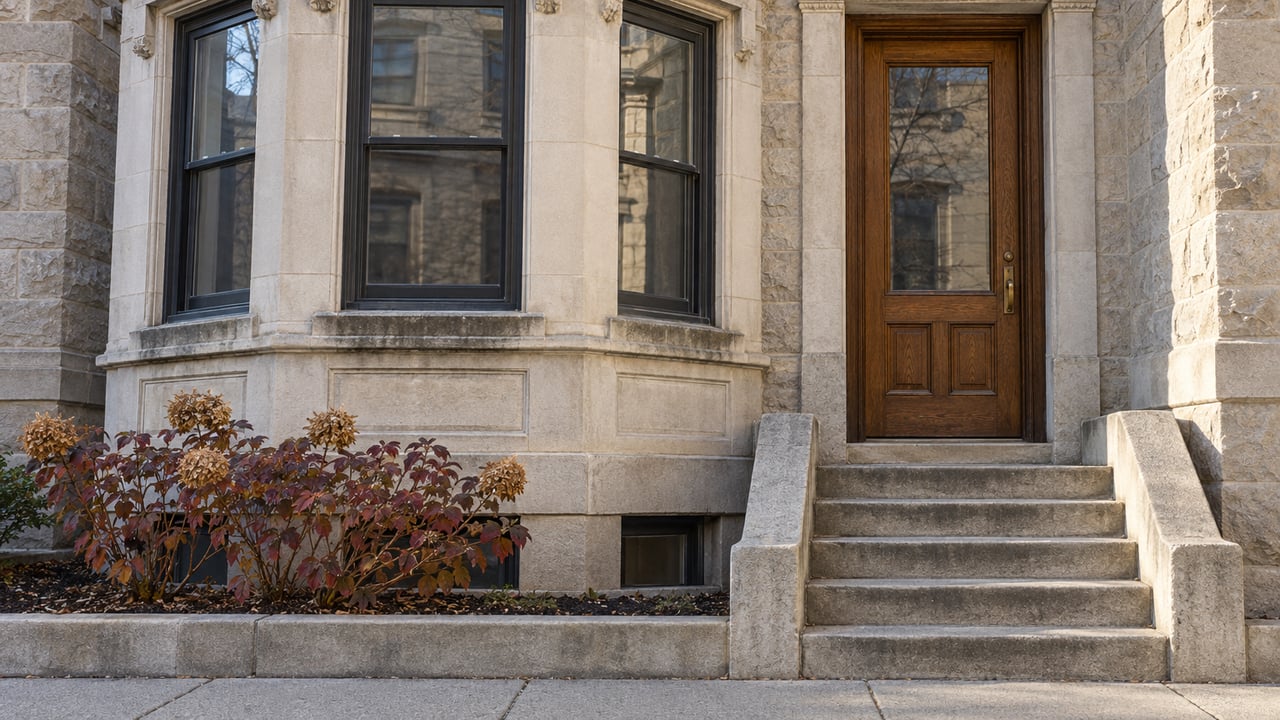
As noted by Chicago REALTOR Magazine, Lakeview includes classic courtyard buildings, smaller multi-unit properties like two- and three-flats, and larger high-rise buildings near the lakefront. Each type can come with a different ownership experience.
A vintage walk-up may appeal to you if you like classic Chicago architecture and a smaller-building feel. A condo in a two- or three-flat may offer a more limited number of units and a different association structure. A high-rise may offer a very different setup in terms of scale, amenities, and building operations.
Before you compare countertops or appliance packages, narrow down what kind of building fits how you want to live. That one decision can make your search faster and more focused.
Balance Lake Access, Transit, and Parking
Lakeview gives you strong access to both outdoor space and transit, but those features do not always line up in the same way from building to building.
The Lakeview neighborhood brochure from Choose Chicago highlights how the eastern part of the neighborhood connects you to Lake Michigan and a 1,200-acre outdoor area that includes the Lakefront Trail, a golf course and driving range, a boat harbor, tennis courts, and picnic fields. The Chicago Park District also describes the Lakefront Trail as an active transportation corridor along the city’s lakefront.
Transit is another major factor. The same Lakeview brochure notes access to the CTA Brown, Red, and Purple Lines, plus bus routes 146, 156, 36, 77, and 8. Nearby stations listed in the brochure include Belmont on the Red, Brown, and Purple Lines, Addison on the Red Line, and Sheridan on the Red Line.
If you drive, parking deserves extra attention. In Lakeview, parking is best treated as a building-level question, not a neighborhood assumption. Before you make an offer, confirm whether parking is deeded, leased, waitlisted, or limited to street parking only.
Budget Beyond the Mortgage
One of the most important condo-buying decisions is setting a realistic monthly budget. That means looking beyond principal and interest.
The Consumer Financial Protection Bureau explains that condo and HOA dues are usually paid directly to the association rather than included in your mortgage payment. It also notes that these dues can range from a few hundred dollars to more than $1,000 per month.
CFPB also advises buyers to include property taxes, insurance, mortgage insurance when applicable, and condo or HOA dues when evaluating affordability. It further notes that lenders can sometimes charge slightly more for condo loans. In other words, the right purchase price for you is not just about the list price. It is about the total monthly cost.
Review the Association Documents Carefully
In a condo purchase, the unit is only part of what you are buying. You are also buying into an association structure with its own rules, budget, and financial obligations.
According to Illinois condominium guidance, the declaration, bylaws, and rules and regulations govern how a condominium association operates. The declaration can include restrictions on how owners use the property, the bylaws set the operating framework, and the rules cover day-to-day building policies.
That same Illinois guidance says annual budgets must identify anticipated common expenses, capital repairs, reserves, and each owner’s anticipated assessments. These details can help you understand whether the association’s finances look manageable and whether the building appears to be planning ahead for future costs.
Ask About Special Assessments
Monthly HOA dues are important, but they do not always tell the full story. Special assessments can have a major impact on the true cost of ownership.
The Illinois Department of Financial and Professional Regulation states that boards can adopt special assessments when extra funding is needed for unplanned repairs or other expenses. That means a building with moderate monthly dues could still face additional costs if a major project comes up.
Before you move forward, ask whether the building has a history of special assessments and whether any major capital projects are planned. This is one of the smartest questions a condo buyer can ask in Lakeview or anywhere in Chicago.
Build a Smarter Due Diligence Checklist
Once you move from casual browsing to an active search, your checklist should get more specific. In a condo purchase, better questions often lead to better decisions.
Here are some of the key items to request or confirm before you get too far into the process:
- The declaration, bylaws, and rules and regulations
- The current annual budget
- Reserve information
- Recent board minutes
- Special assessment history
- Planned capital projects
- Rules on pets, rentals, move-ins, and renovation approvals
- Parking details, including whether a space is deeded, leased, waitlisted, or not included
These requests are grounded in Illinois association guidance, which outlines the documents and budget items that shape association life. They can help you spot restrictions, understand financial obligations, and compare buildings more clearly.
Compare Lenders With Condo Costs Included
Financing a condo is not just about finding an interest rate you like. You also want your Loan Estimates to reflect the real building costs tied to the property.
The CFPB recommends sharing HOA dues and property taxes with lenders when requesting Loan Estimates and comparing multiple offers with the same loan features. It also notes that shopping lenders within a 45-day window does not hurt your credit more than a single inquiry.
That step can make your side-by-side comparisons more accurate. It is especially helpful in a neighborhood like Lakeview, where monthly costs can vary quite a bit depending on the building.
Use Market Context to Stay Grounded
Lakeview remains a competitive area, so it helps to go in with realistic expectations. Realtor.com’s December 2025 data for 60657 describes the area as a seller’s market, with 47 median days on market and a 99% sale-to-list ratio.
That does not mean every condo sells the same way, and it does not replace building-level analysis. But it does provide useful context when you are preparing your search, comparing micro-locations, and thinking about how quickly you may need to act when the right property comes up.
Buying a condo in Lakeview is easier when you narrow the search in the right order: first the micro-market, then the building type, then the monthly cost structure, and finally the unit itself. That approach helps you focus on fit, not just finishes. If you want guidance on sorting through Lakeview condo options and making sense of the details, Andy Ogorzaly can help you move forward with clarity and confidence.
FAQs
What should you look at first when buying a condo in Lakeview?
- Start with Lakeview’s micro-markets, because East Lakeview, Central Lakeview, Northalsted, and Wrigleyville can offer different price points, access patterns, and day-to-day surroundings.
How important are HOA dues when buying a Lakeview condo?
- HOA dues are a major part of affordability because they are usually separate from your mortgage payment and should be considered alongside taxes, insurance, and other monthly housing costs.
What condo documents should you review before buying in Lakeview?
- You should request the declaration, bylaws, rules and regulations, annual budget, reserve information, recent board minutes, special assessment history, and any planned capital projects.
How should you think about parking when buying a condo in Lakeview?
- Treat parking as a building-specific issue and verify whether it is deeded, leased, waitlisted, or street-only before you make an offer.
Is Lakeview a competitive market for condo buyers?
- Neighborhood-level December 2025 data for 60657 showed seller’s market conditions, including a 99% sale-to-list ratio and 47 median days on market, which can help set expectations as you begin your search.